Thesis Archive
Explore our comprehensive collection of academic research and innovative projects.
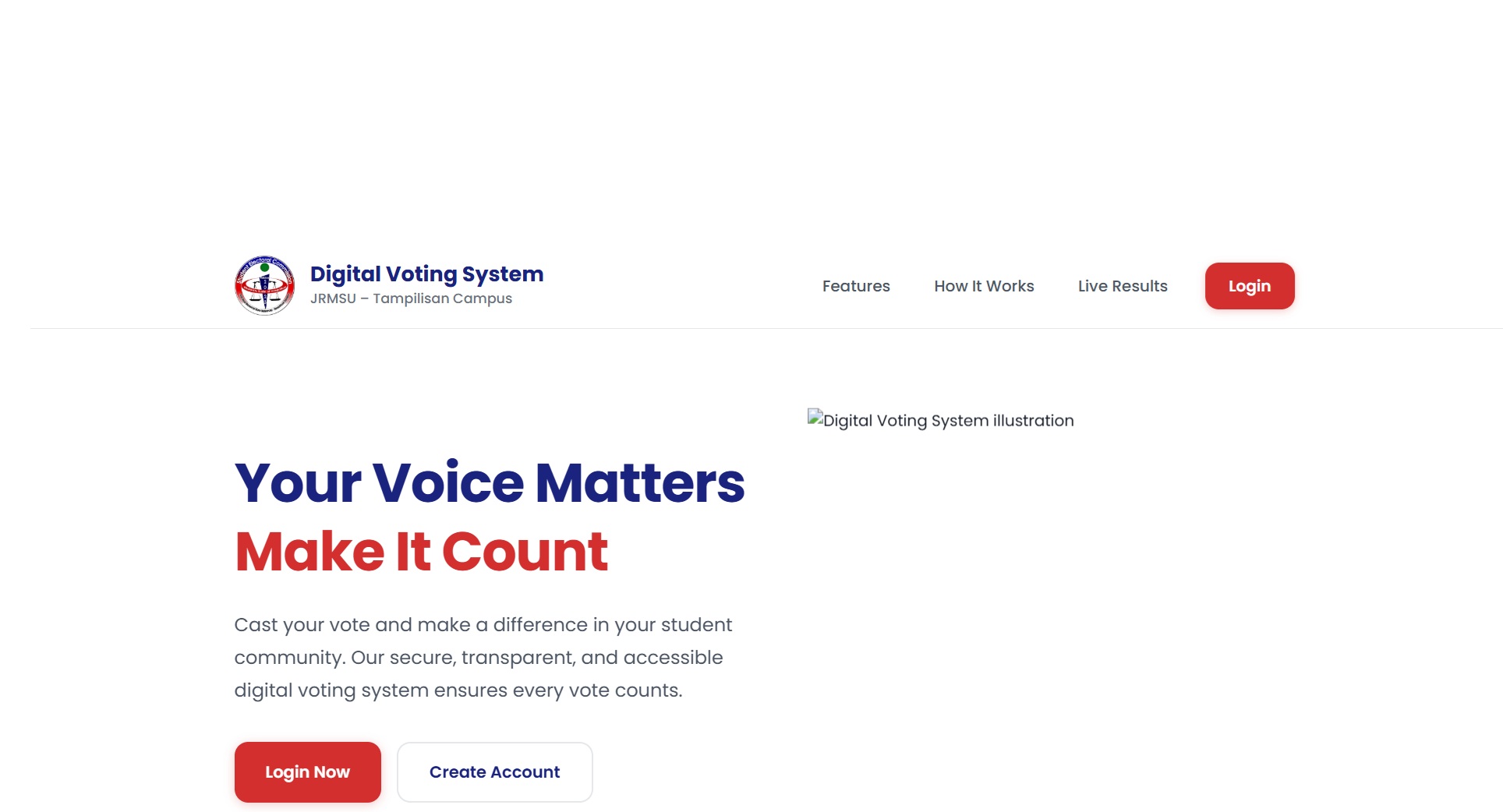
DIGITAL VOTING SYSTEM FOR SUPREME STUDENT GOVERNMENT ELECTION
Code: vb Project AbstractThis study aimed to develop a Digital Voting System for Supreme Student Government (SSG) elections at Jose Rizal Memorial University – Tampilisan Campus (JRMSU-TC) to address inefficiencies of the manual voting process, delays, human errors, and security risks. The study employed a developmental research design guided by the Software Development Life Cycle (SDLC), which included data gathering, requirements analysis, designing, coding, testing and evaluation, deployment, and maintenance. Through this process, the system was developed and evaluated to ensure functionality and user satisfaction. The system was evaluated by twenty (20) respondents composed of five (5) SELECOM officers, five (5) SSG officers, and ten (10) randomly selected students. A five-point Likert scale questionnaire was used to assess functionality, usability, and effectiveness. Weighted means were used. Results showed ratings: functionality 4.91, usability 4.87, and effectiveness 4.81, all interpreted as Strongly Agree. Findings indicate the system is highly functional, user-friendly, and effective. It improved vote counting speed and accuracy, reduced errors, strengthened security through authentication, and promoted transparency. The system is a reliable and efficient alternative to manual voting. It enhances election processes by ensuring faster results, minimizing errors, and improving security. Further improvements are recommended, especially for scalability and advanced security features for future implementation.
 CRISTY JANE G AMBRONA
 JESSICA M. ARNON
 JERIC JAY M. LOMOLJO
 JOSEPH B. NADURA
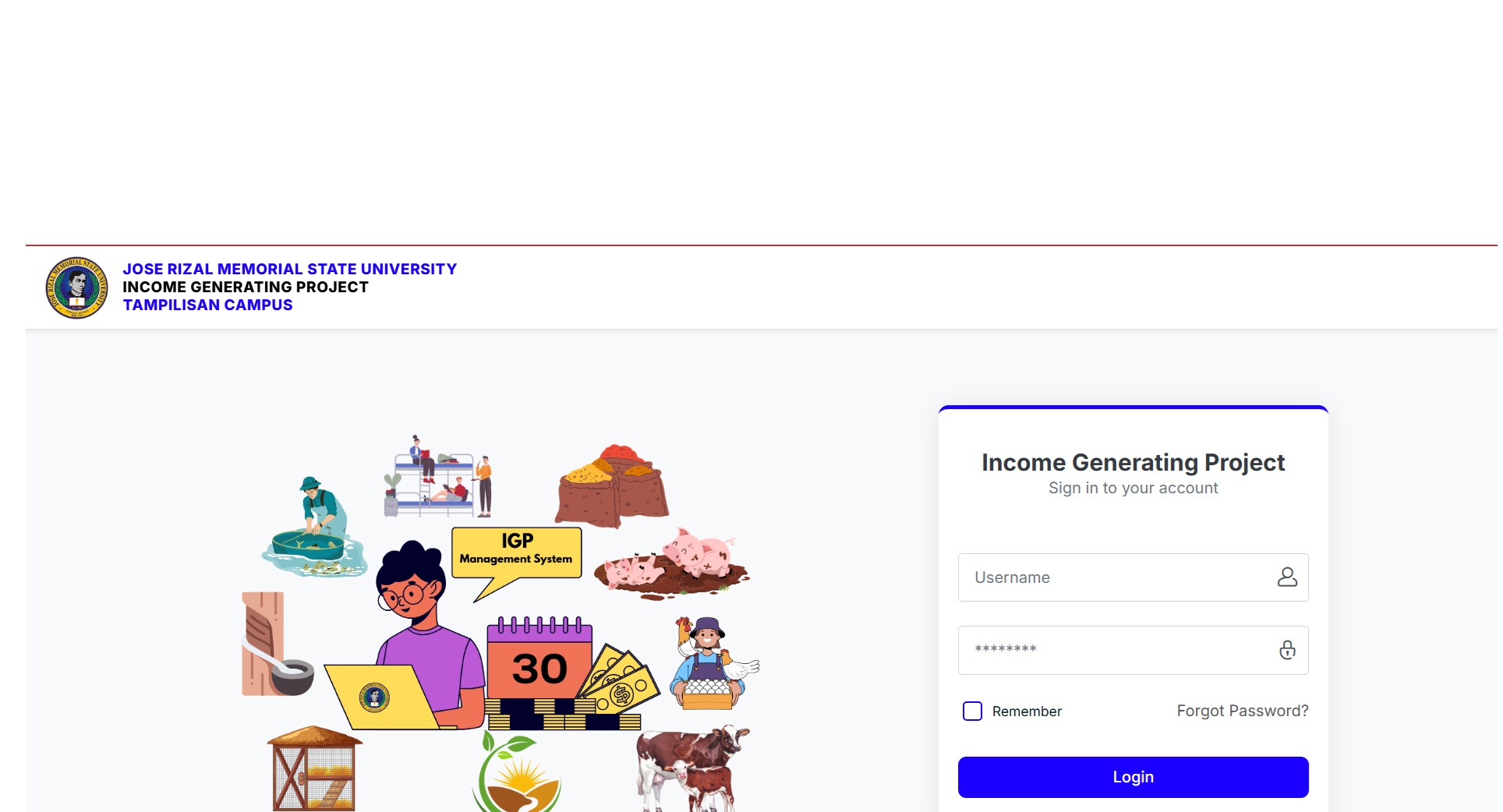
WEB-BASED INCOME GENERATING PROJECT MANAGEMENT SYSTEM IN JOSE RIZAL MEMORIAL STATE UNIVERSITY- TAMPILISAN CAMPUS WITH SMS NOTIFICATION
Code: vbp Project AbstractThis study aimed to develop a Web-Based Income Generating Project Management System in Jose Rizal Memorial State University–Tampilisan Campus (JRMSU-TC) with SMS Notification. The study addressed key issues in the existing system, including lack of transparency in monitoring credit balances, reliance on manual ordering processes requiring office visits, absence of centralized communication for payroll deductions, vulnerability to loss or damage of physical documents, and inefficiencies in manual transaction processing prone to human error. A developmental research method was employed, guided by the Software Development Life Cycle (SDLC), which included data gathering, requirements analysis, system design, coding, testing and evaluation, documentation, and maintenance. Data were collected from twenty (20) JRMSU-TC employees using a structured questionnaire based on a five-point Likert scale. The system was evaluated in terms of efficiency, effectiveness, usability, and user satisfaction. Results showed that the system achieved excellent performance in efficiency and effectiveness, and satisfactory performance in usability and user satisfaction. The results demonstrates that developed system significantly improved transaction processing speed, reduced manual errors, enhanced transparency in monitoring credit balances, and streamlined communication between stakeholders through SMS notifications. It also minimized reliance on paper-based records, thereby improving data accuracy, security, and accessibility. These improvements contributed to more efficient financial management and better operational workflow within the Income Generating Project. However, minor enhancements in usability and user experience are recommended to further optimize system performance.
 TRENT DEVI GIN M. DECIPULO
 MARCHKY Q. DEVINAGRACIA
 JAZWILL E. ECHAVERIA
 JOFEMYZYL H. GOMEREZ
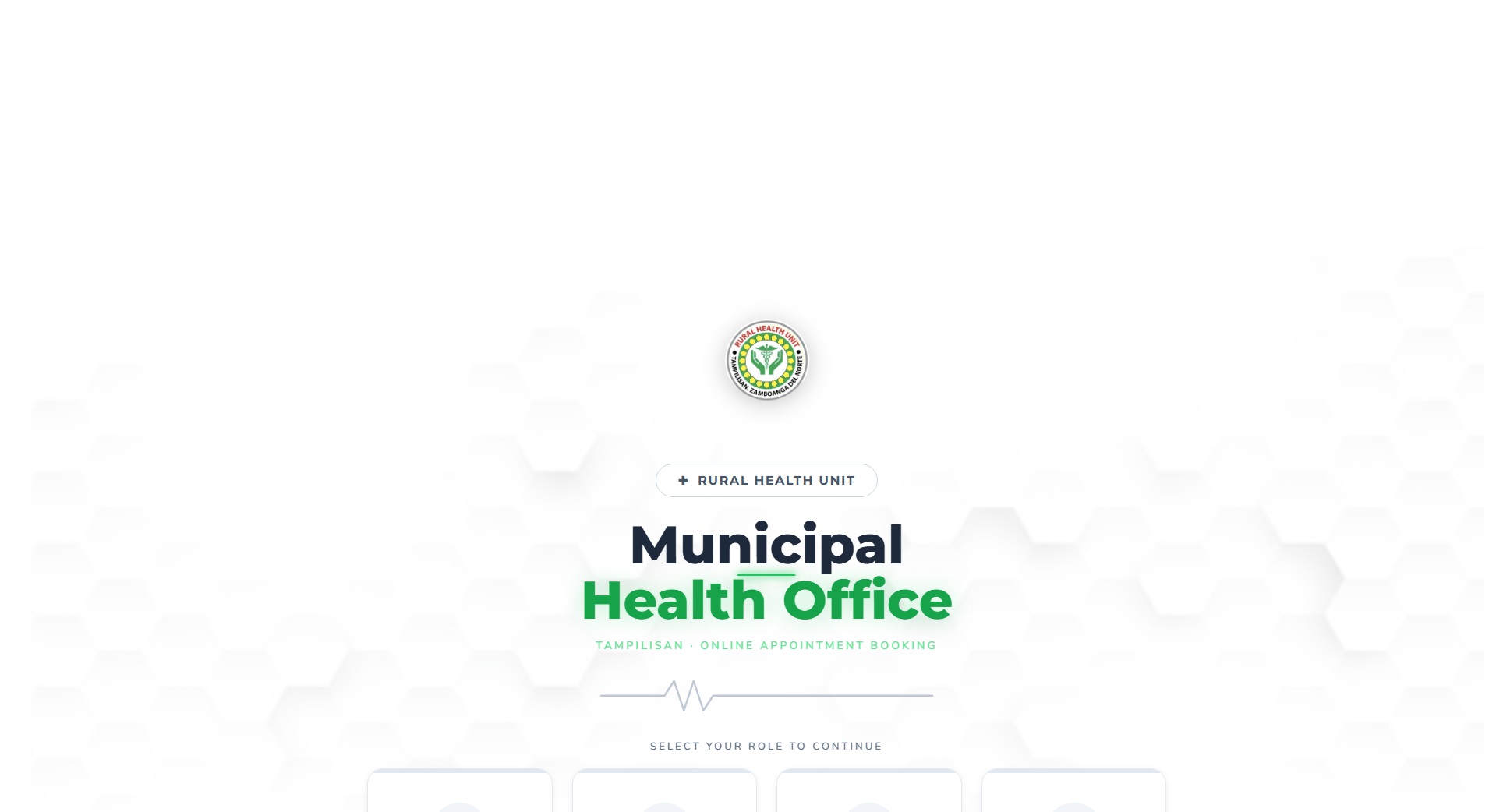
ONLINE APPOINTMENT BOOKING AND QUEUE MONITORING SYSTEM FOR TAMPILISAN RURAL HEALTH UNIT
Code: qwqw Project AbstractAccess to quality healthcare in rural communities remains a persistent challenge, particularly in areas where manual and walk-in systems continue to govern patient flow and appointment management, resulting in overcrowded waiting areas and reduced service efficiency. This study aimed to design, develop, and evaluate an Online Appointment Booking and Queue Monitoring System for the Tampilisan Rural Health Unit (RHU), Tampilisan, Zamboanga del Norte, with the goal of streamlining appointment scheduling, reducing patient waiting time, and improving healthcare service 13 delivery. The study employed a developmental research method guided by the Software Development Life Cycle (SDLC), encompassing phases of planning, analysis, design, implementation, testing, and maintenance. A total of 20 respondents participated, consisting of 10 patients and 10 healthcare personnel, including physicians, nurses, midwives, and administrative staff, selected through purposive sampling. The system was evaluated across three criteria: functionality, usability, and user satisfaction. Findings revealed that the system performed exceptionally well across all evaluation areas, demonstrating high functionality, strong user satisfaction, and the highest rating in usability, reflecting its intuitive design and effectiveness in minimizing waiting time. The study concludes that the system is a reliable and practical technology-driven solution that bridges service gaps and advances the goal of universal and accessible healthcare delivery in rural communities
 SHERRY MIE P. CORDA
 RAVEN J. LOBRIGAS
 ELLA H. MAGLANGIT
 CARL ROBIN J. PUCOT
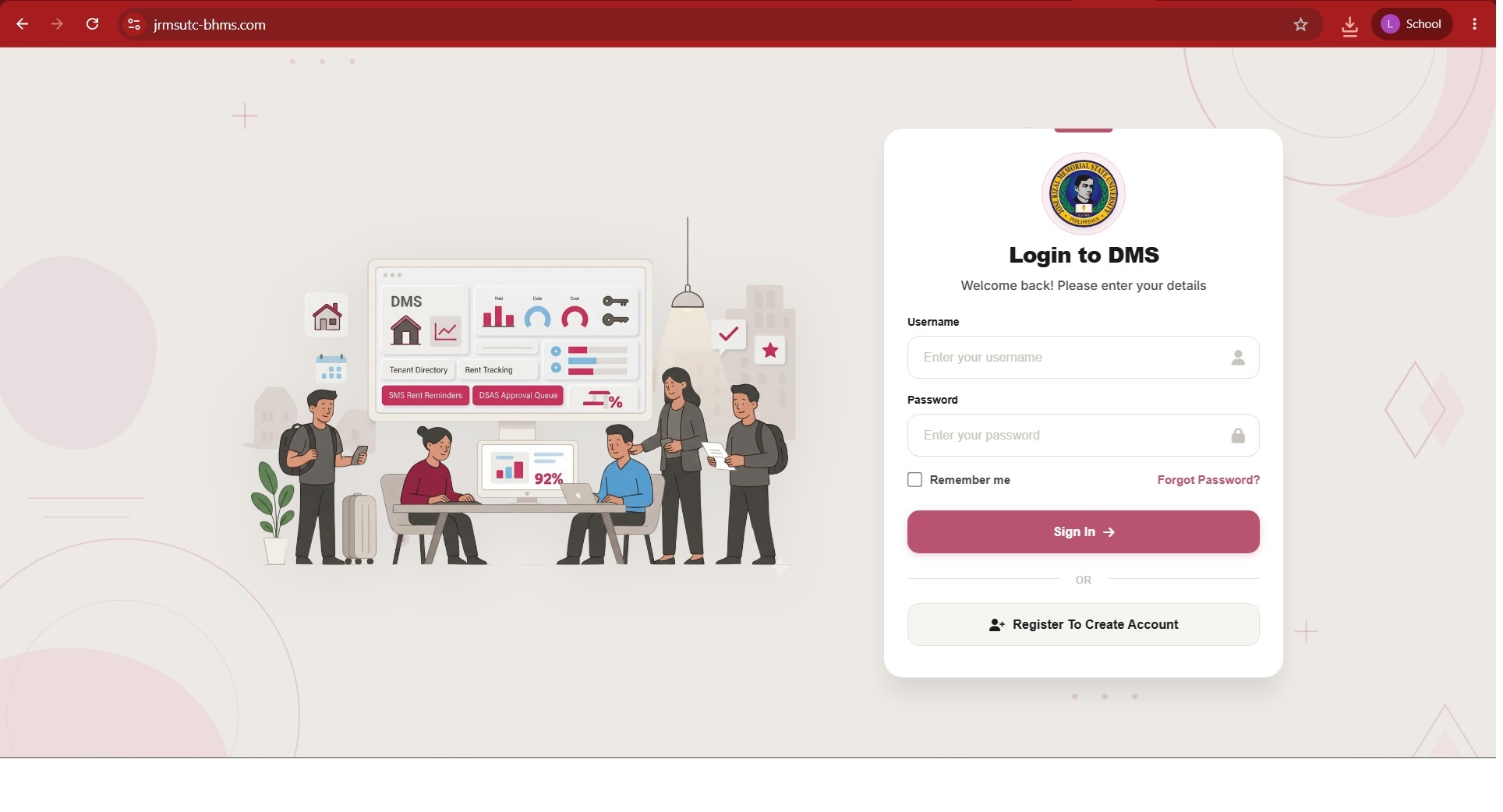
WEB-BASED DORMITORIES MANAGEMENT SYSTEM FEATURING AUTOMATED RENT TRACKING AND SMS NOTIFICATIONS AT JRMSU-TC
Code: php Project AbstractManual dormitory management at Jose Rizal Memorial State University-Tampilisan Campus (JRMSU-TC) has long presented operational challenges, including inaccurate record-keeping, delayed rent monitoring, data loss, and poor communication between dormitory staff and student-tenants, establishing the need for a more reliable and automated solution. This study aimed to design, develop, and evaluate a Web-Based Dormitories Management System featuring Automated Rent Tracking and SMS Notifications to streamline dormitory operations and improve communication between stakeholders at JRMSU-TC. The system was developed following the Software Development Life Cycle (SDLC), covering data gathering, requirements analysis, designing, coding, testing and evaluation, documentation, and maintenance phases, operating on a three-tier web-based architecture supported by a MySQL cloud database and supporting four user roles-Student/Tenant, Dorm Manager, DSAS Staff, and Cashier-with role-specific access and functionalities. A structured five-point Likert scale evaluation questionnaire was administered to twenty (20) student-tenants, assessing the system across Functionality, Reliability, and Usability, which yielded weighted means of 4.39, 4.42, and 4.54, respectively, all interpreted as Strongly Agree, with an overall grand mean of 4.45, indicating that the system meets expected software quality standards. It is therefore concluded that the system is an effective digital solution for JRMSU-TC and is recommended for improving dormitory management through automated rent tracking and SMS notifications.
 JOANN D. AMIGO
 WENMARK M. CALASANG
 MAIRA JEAN C. DELASAS
 FRITZ GERALD E. DOMOCOL